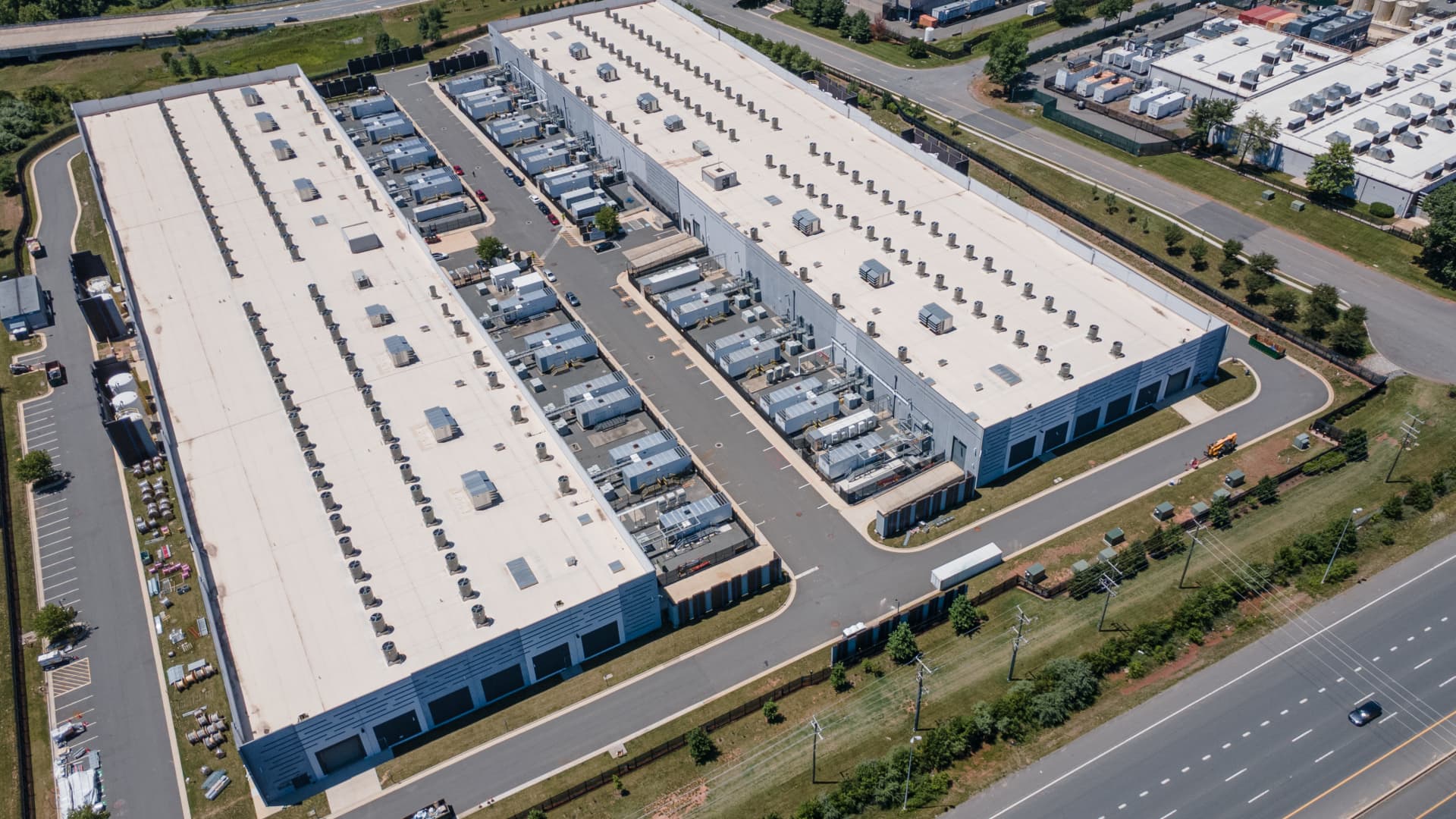
Nearly 80% of data center capacity is at elevated risk to climate hazards like flooding and fire, study says
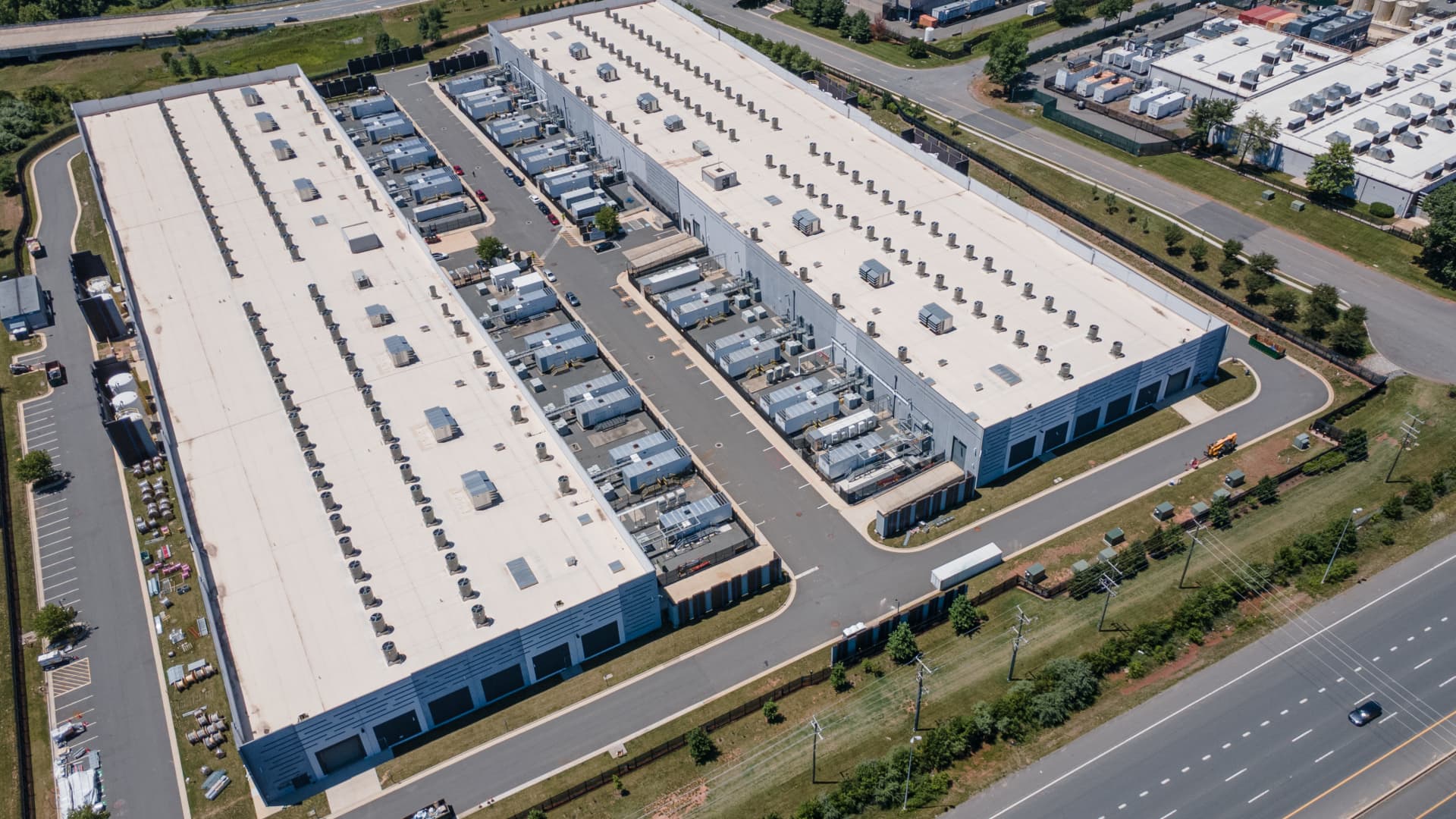
A huge slice of global data center capacity faces elevated risk to acute climate hazards, a study released Thursday shows.
Those acute hazards, which hang over 79% of capacity, include severe climate-induced events such as flooding, extreme winds and wildfires that can disrupt operations, increase downtime and drive insurance and repair costs, according to the report by First Street, a climate risk analytics firm.
First Street looked at 97 global data center markets in the report.
"Most underwriting for real assets still uses historical data, but the climate is no longer behaving the way the historical record would predict," First Street CEO Matthew Eby said in a release. "As heat, drought, and water stress increase, outdated models simply don't offer a complete view of risk anymore."
The study also found that just over half of all data centers globally are in markets exposed to chronic climate stress, such as extreme heat and drought, that hit energy efficiency and increase costs.
While risk can be heightened by exposure to singular climate-driven events, such as strong hurricanes, it is the chronic effects of climate change that can cause the most damage, both physically and financially.
Jeremy Porter, chief economist at First Street, said the backward-looking models are not correcting for climate and for all the sources of risk.
"Ultimately, it's just something that we're underestimating," he said.
Porter pointed to government models that he says are outdated because they look at past levels of precipitation and do not factor in the effects of climate change. As the Earth warms, clouds hold more moisture and rainfall becomes heavier.
The danger, according to the study's findings, is that investors may be looking at traditional metrics when developing data centers and not taking into account that climate could impact long-term operating conditions. Data centers are typically expected to be in operation for 20 to 30 years.
"Investors who incorporate these factors into underwriting and capital allocation decisions will be better positioned to identify resilient markets and avoid mispriced risk," Eby said in a release.